
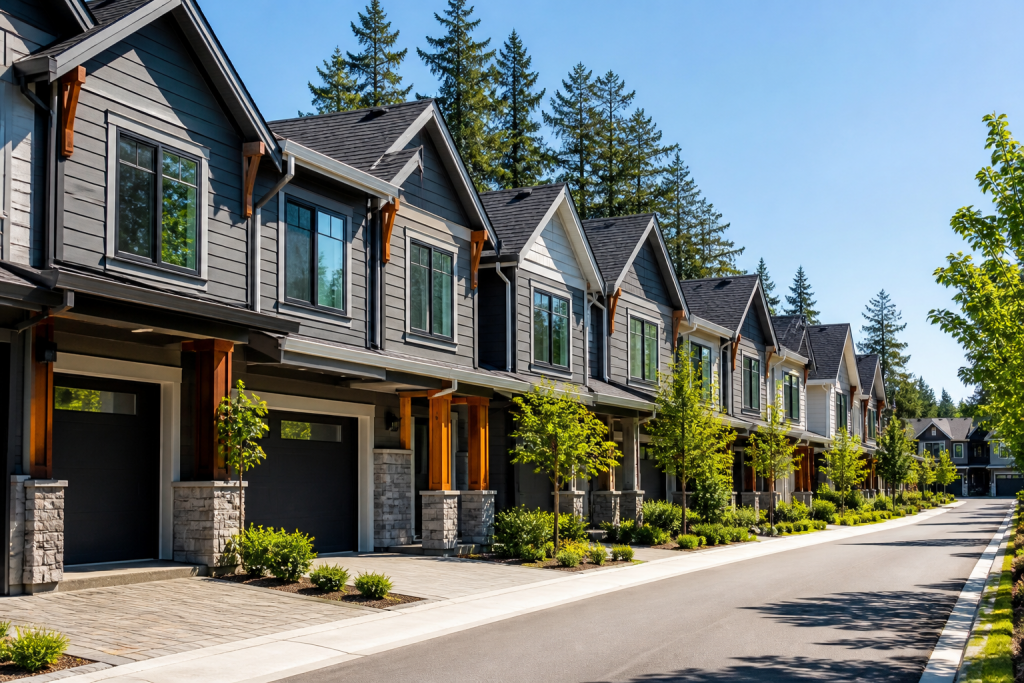
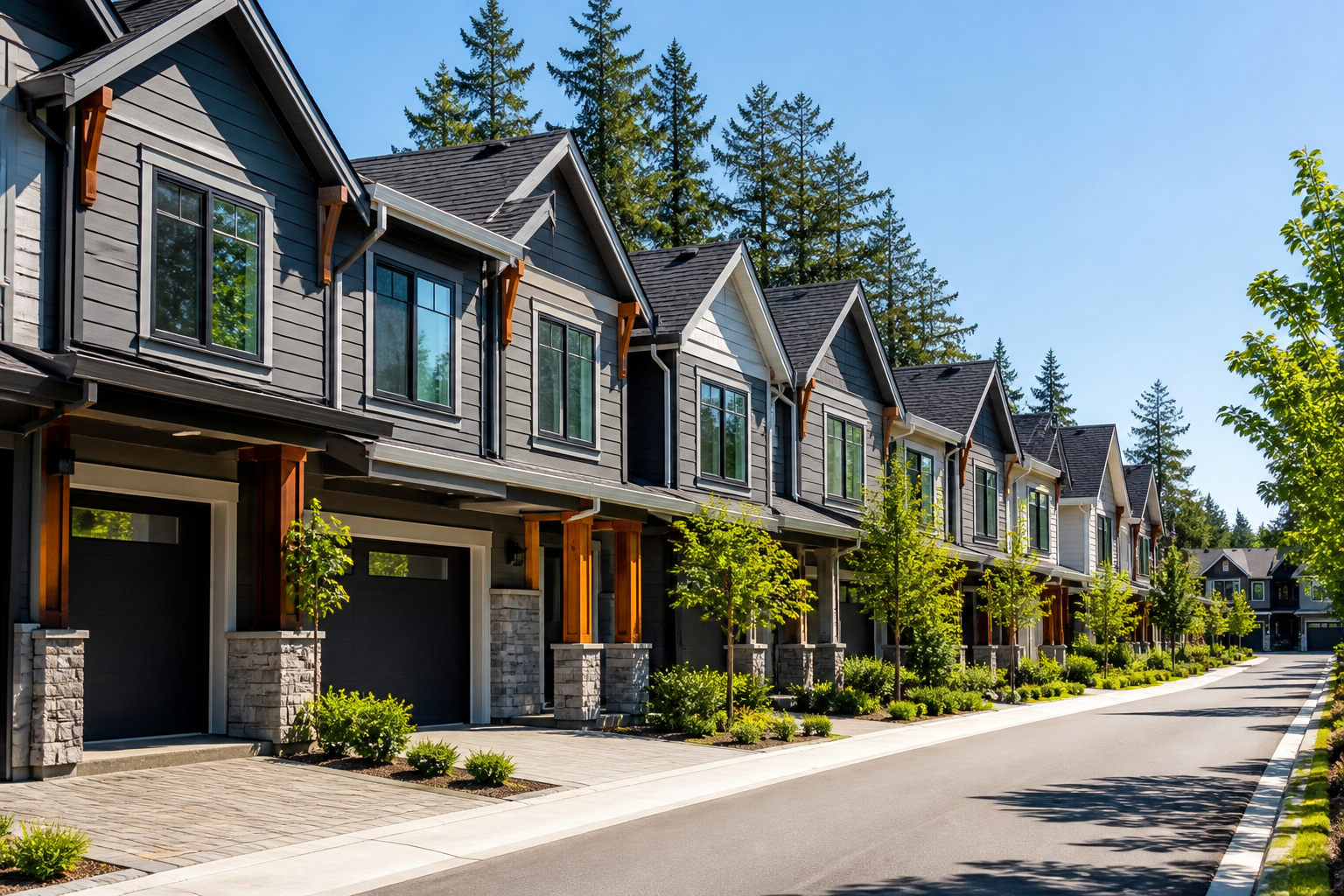
townhome property management guide: systems, checklists, and FAQs
Managing a townhome—whether it’s a single investment unit or multiple doors in a row—works best when you run it like a system. This townhome property management guide breaks down the decisions, checklists, and ongoing routines that keep income steady, residents satisfied, and maintenance predictable.
What makes townhomes unique to manage
Townhomes sit between detached homes and condo apartments. You often manage a private unit with its own entrances and utility meters, but there may also be shared walls, limited common elements (like drive lanes, landscaping, or visitor parking), and community rules. These details shape your day-to-day operations.
- Shared boundaries: Noise transfer, exterior work, and pest control can affect neighbors. Clear scopes and communication reduce friction.
- Exterior responsibilities: Siding, roofing, and porches may be the owner’s duty, a community’s duty, or split—verify documents and keep them on file.
- Parking and waste: Townhomes often have assigned spaces and pickup rules. Tenants need these in writing before move-in.
- Private-meets-shared utilities: Water, gas, or irrigation can be individually metered or centralized—know who pays what and how billing works.
Set your foundations: documentation, scope, and standards
Before marketing or onboarding tenants, assemble a simple, durable operating file for each unit. Aim for clarity you can share with residents, vendors, or future managers without rework.
- Property fact sheet
- Key systems: HVAC model/age, water heater, electrical panel amperage, shutoff locations, filter sizes, warranty notes.
- Exterior details: Roof age, siding type, balcony/deck materials, grading/water-shedding notes.
- Appliance list with serial numbers and manuals.
- Responsibility matrix
- Who maintains what: roof, siding, windows, walkways, snow/landscape, gutters, fences.
- Utility responsibilities: electricity, gas, water, waste, internet—who holds each account and transfer procedures.
- Access norms: notice periods, smart lock or key tracking, vendor authorization rules.
- House rules and quiet enjoyment
- Parking allocations, guest parking etiquette, curbside waste rules.
- Pet expectations, smoking policy, balcony use, barbecue allowances.
- Neighbor courtesy: noise windows, holiday decor, and shared-drive safety.
- Maintenance standards and cadence
- Seasonal checklists for exterior, gutters, caulking, grading, and trip hazards.
- Filter changes, battery checks (smoke/CO), and pest prevention intervals.
- Paint and flooring life-cycle planning; see external finishing resources such as townhouse painting insights for durability and touch-up strategy.
- Records and communications
- Centralize leases, inspection photos, vendor invoices, and receipts.
- Maintain a single contact channel for tenants and a time-bound response policy.
Marketing and tenant onboarding that prevent headaches later
Most management problems start before move-in. Upfront clarity and screening protect your schedule and cash flow.
- Property assessment: Walk the interior and exterior with a punch list. Fix safety issues first. Replace filters and test alarms.
- Listing package: Quality photos and a short video walkthrough reduce low-fit inquiries and repeat showings.
- Showings and FAQs: Keep a one-page handout covering parking, utilities, pet rules, and what’s included.
- Tenant screening: Verify income and employment, run credit/background checks where appropriate, confirm ID, and contact prior landlords. Apply criteria consistently and document decisions.
- Lease agreement: Spell out maintenance duties (e.g., snow on private steps), filter changes, light bulbs, minor clog clearing, quiet hours, and who pays each utility. Include a renter’s insurance requirement if you choose to adopt that policy.
- Move-in inspection: Capture dated photos/videos of walls, floors, appliances, and exterior entry points. Share a copy with residents and store in your records.
- Utility transfer: Provide step-by-step instructions and deadlines to avoid service gaps.
For a deeper dive into structured processes, see this internal resource on townhome property management operations.
Rent collection and financial routines
Reliable cash flow depends on predictable systems and clear communication.
- Payment channels: Offer one standard method where possible to reduce tracking errors.
- Due dates and late steps: Publish dates, grace periods if any, and the exact sequence for reminders and notices. Apply evenly.
- Deposits and reconciliations: Reconcile monthly. Keep a ledger that ties rent, deposits, repairs, and renewals in one view.
- Financial reporting cadence: Produce a simple monthly summary—income, expenses by category, reserve balance, and upcoming commitments.
- Lease renewals: Calendar renewal discussions 90 days before term end. Pre-review market, resident history, and any planned upgrades.
Maintenance automation and vendor playbook
Exterior elements make townhomes more sensitive to weather and wear. A proactive plan reduces emergency calls.
- Seasonal exterior loop
- Spring: Gutter and downspout check, exterior caulk/seal, grading/drainage, deck/railing safety.
- Summer: HVAC service, pest prevention perimeter, paint touch-ups on high-wear areas.
- Fall: Roof visual scan, weatherstripping, winterization of hose bibs.
- Winter: Ice/snow protocols for steps and private walkways if resident-managed; confirm de-icer storage and expectations in writing.
- Interior preventive items
- Filter swaps on schedule; log dates and sizes in the fact sheet.
- Leak defense: Inspect under sinks, around baseboards near plumbing stacks, and near exterior doors after storms.
- Safety checks: Test smoke/CO alarms and GFCIs per manufacturer guidance.
- Vendor roster
- General: Handyperson, licensed HVAC, plumber, electrician, roofer, and exterior specialist.
- Service levels: Define response targets (e.g., urgent vs. routine), access rules, and photo-after-work requirements.
- Backups: Keep at least one alternate vendor per trade for peak seasons.
Communication and resident experience
Clear, respectful communication secures renewals and reduces churn. Townhomes put residents closer to neighbors, so small misunderstandings can amplify.
- Single point of contact: Publish one email or portal for all maintenance and account questions.
- Response window: Set expectations for urgent vs. routine issues. Even an acknowledgment helps.
- Welcome brief: On day one, share parking maps, waste days, local service contacts (non-emergency), and noise etiquette.
Risk controls and compliance basics
This section discusses general risk practices. Laws, processes, and requirements vary by location and change over time. For legal, tax, or regulatory questions, consult a qualified professional in your jurisdiction.
- Screening consistency: Use the same documented criteria for all applicants and store the decision trail.
- Notices and timelines: Keep a template pack for reminders, entry notices, and other standard communications. Verify local requirements before sending any formal notice.
- Insurance posture: Consider the coverage you carry and whether your lease requires tenant insurance; retain proof where applicable.
- Inspections with notice: Respect notice periods and access rules. Document with time-stamped photos and a sign-off.
- Escalation path: Define your steps if rent is late, a lease is breached, or property damage occurs. Keep the path procedural and documented.
Turnovers and value creation
Most of a townhome’s long-term performance comes from what you do between tenancies.
- Standardized turnover checklist: Patch/paint high-traffic areas, deep clean kitchens/baths, replace wax rings, test appliances, flush water lines, and rekey or reprogram locks.
- Quick wins: Exterior touch-ups and lighting upgrades improve curb appeal and perceived safety.
- Durability choices: Choose washable paints, resilient flooring in entries, and moisture-resistant trims in baths.
- Photo baseline: Take a complete set of marketing and condition photos before relisting.
Your repeatable toolkit
Streamline management by templating recurring work. A few examples you can implement right away:
- Make-ready template: A one-page checklist with labor estimates and target timelines.
- Tenant handbook: 3–5 pages covering utilities, parking, quiet hours, trash, filter changes, and how to request service.
- Inspection form: Room-by-room items with photo slots and severity flags.
- Communication macros: Prewritten responses for common requests, tuned for clarity and empathy.
- Calendar automation: Recurring reminders for filter changes, seasonal exterior checks, and renewal outreach.
If you manage various asset types in addition to townhomes, this broader internal page on residential property management structure can help you unify processes.
FAQs
What’s the best way to split responsibilities among owner, resident, and community?
Create a one-page matrix for your specific property. Include exterior elements (roof, siding, windows, decks), minor maintenance (filters, bulbs), utilities, snow/landscaping, and pest prevention. Attach it to the lease and your welcome packet. When in doubt, check any governing documents for the community and keep them on file.
How often should I inspect a townhome?
Use three touchpoints: move-in, a midterm or seasonal check aligned to exterior maintenance, and move-out. Always provide proper notice and document with photos. If you discover issues, write a short summary and next steps, then schedule a follow-up confirmation.
What maintenance items cause the most preventable issues?
Clogged gutters, failed caulking around windows/doors, neglected HVAC filters, and slow plumbing leaks near shared walls or exterior doors. A seasonal loop plus a filter calendar solves most of these before they escalate.
Should I require renter’s insurance?
Many owners choose to require it to help tenants protect personal belongings and certain liabilities. If you adopt this policy, state it clearly in the lease and collect proof as part of the move-in checklist. For policy specifics or legal implications, consult a qualified professional.
What if a neighbor complaint involves my resident?
Thank the neighbor for flagging, investigate with your resident using documented, neutral language, and reference the applicable house rules. Encourage direct, respectful resolution first, then escalate per your standard process if the issue persists.